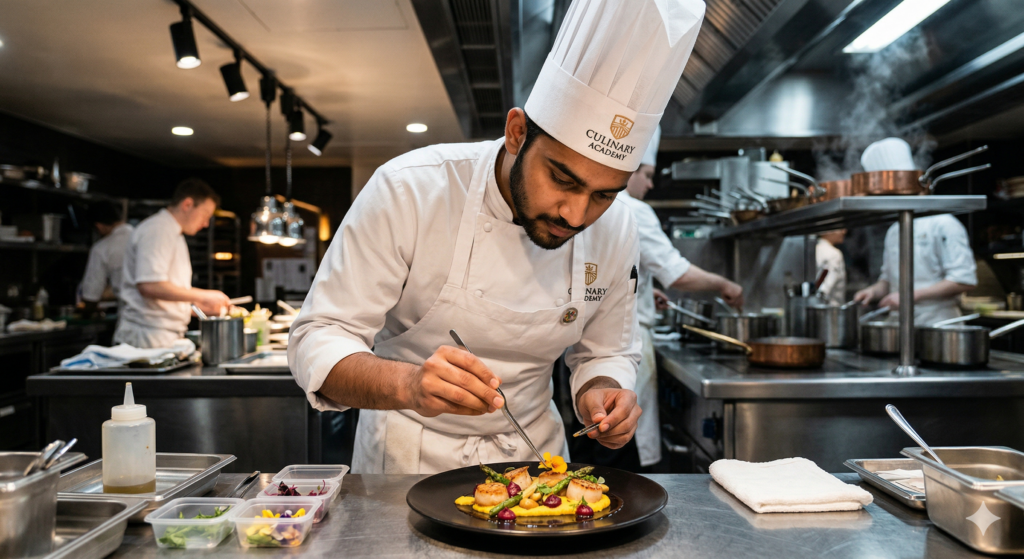
The Evolution of Indian Cuisine in Modern Hospitality

Indian cuisine has undergone a remarkable transformation in recent decades, evolving from traditional home kitchens to sophisticated restaurant presentations that capture global attention.
The Rich Heritage of Indian Culinary Arts
India’s culinary tradition spans thousands of years, characterized by diverse regional flavors, cooking techniques, and ingredient combinations. From the tandoor ovens of North India to the coconut-infused curries of the South, each region offers unique culinary experiences.
Modern Adaptations in Professional Kitchens
Today’s culinary professionals are reimagining traditional Indian dishes for contemporary palates:
• Fusion Cuisine: Blending Indian spices with international techniques
• Plating Aesthetics: Presenting traditional dishes with modern visual appeal
• Health-Conscious Approaches: Lighter versions maintaining authentic flavors
• Molecular Gastronomy: Scientific approaches to classic recipes
The Role of Culinary Education
At RPH College’s B.A. Culinary Arts program, students learn to balance tradition with innovation. Our curriculum covers:
– Classical Indian cooking techniques
– Contemporary plating and presentation
– Menu development for diverse audiences
– Understanding regional variations
– Adapting recipes for dietary requirements
Career Opportunities
Graduates specializing in Indian cuisine find opportunities in:
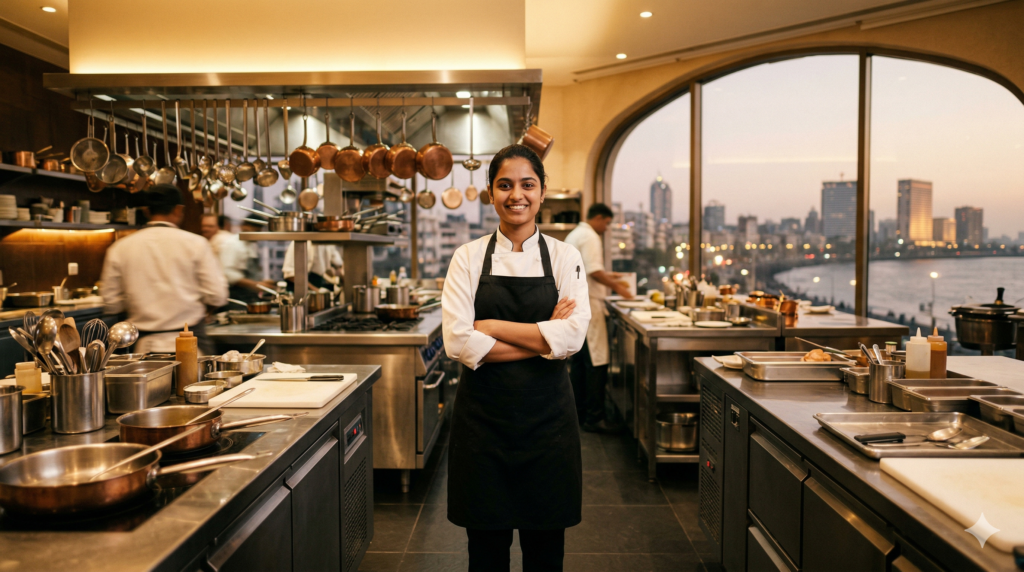
• Fine dining restaurants
• Hotel chains and resorts
• Catering services
• Food consulting
• Culinary education
• Food media and content creation
The future of Indian cuisine in hospitality is bright, with increasing global recognition and appreciation. As culinary professionals, we have the privilege of preserving our rich heritage while embracing innovation.
Are you ready to be part of this culinary revolution? Join us at RPH College to master the art and science of modern Indian cuisine!