Mastering the Art of Garnish: How RPH College Grooms Future Chefs

In the world of high-end hospitality, the old adage is true: people eat with their eyes first. A perfectly seared steak or a delicate mousse can be ruined by sloppy presentation.
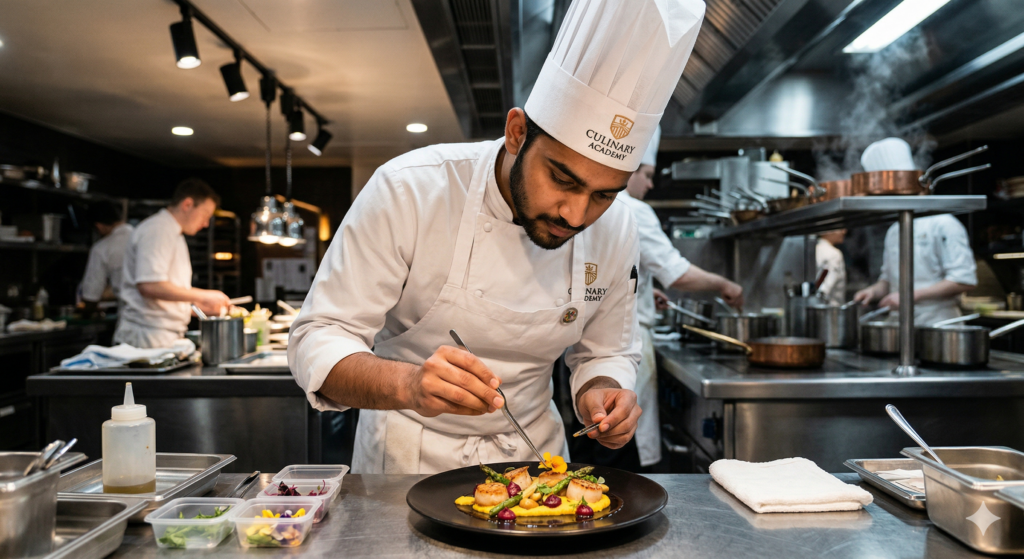
At Bunts Sangha’s Ramanath Payyade College of Hospitality Management Studies (RPH), “Garnish” isn’t just a sprig of parsley thrown on a plate; it is a dedicated subject, a skill, and an art form. Here is how RPH transforms amateur cooks into culinary artists who understand the visual language of food.
1. The Curriculum: Beyond the Recipe
RPH’s B.A. in Culinary Arts and B.Sc. in Hospitality Studies do not stop at teaching you how to cook; they teach you how to present. The curriculum is designed to treat the plate as a canvas.
- The Garde Manger (Cold Kitchen): This is the heart of garnishing. In the specialized Garde Manger cold room, students learn the intricate art of preparing cold cuts, salads, and terrines where visual precision is everything.
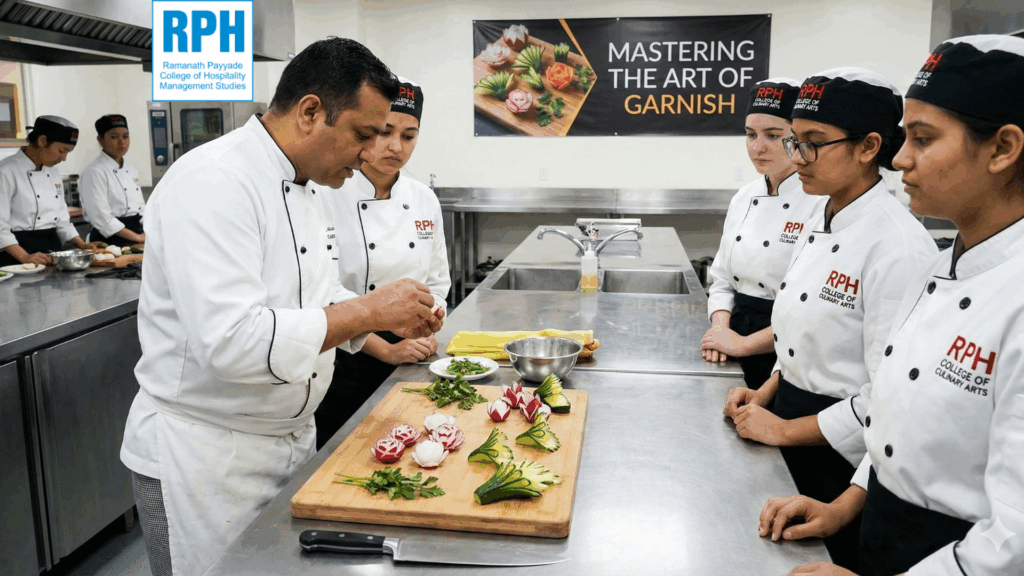
- Fruit & Vegetable Carving: Regular workshops, often led by experts like Chef Feroz Khan, teach students how to turn a simple pumpkin into a swan or a carrot into a butterfly. These skills are essential for buffet displays in 5-star hotels.
- Bakery & Confectionery: In the dedicated bakery lab, students master the delicate art of sugar work, chocolate tempering, and icing—skills that require the steady hand of a surgeon and the eye of a painter.
2. Infrastructure: The Canvas for Creativity
You cannot learn to paint without a studio. RPH provides specialized labs that mimic professional styling environments.
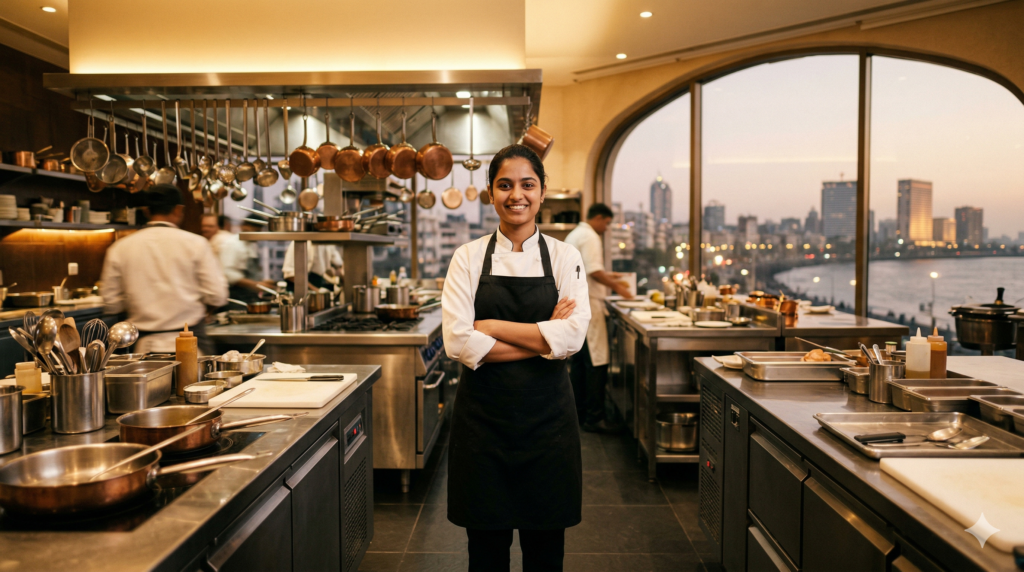
- Advanced Training Kitchen (ATK): Final-year students work here with international cuisines. The focus shifts from “bulk cooking” to “plated service,” where every single plate must look identical and Instagram-worthy.
- Tunga Training Restaurant: Students don’t just plate food in the kitchen; they serve it here. This feedback loop allows them to see how a garnish holds up during the journey from the pass to the guest’s table (e.g., “Did the foam collapse?” or “Did the sauce smear?”).
3. Faculty Mentorship: Learning from the Masters
Under the guidance of experienced faculty like Principal Chef Yogesh Utekar, students are pushed to find their own style.
- Demonstrations: Faculty frequently hold live demos on “Molecular Gastronomy” and modern plating trends, ensuring students aren’t stuck in the 1990s style of presentation.
- Guest Lectures: The college invites celebrity chefs and industry veterans (past sessions have included mixology by Shatbhi Basu) who emphasize that the visual appeal of a drink or dish is 50% of the guest experience.
4. Competitions: The Ultimate Test
RPH students frequently test their skills in high-pressure environments.
- Theme Dinners & Food Festivals: During events like the “Mexican Fiesta” or “Royal Muglai Dao,”students manage entire buffet setups. They are graded not just on taste, but on the visual theme—ensuring the garnish matches the culture of the cuisine.
- Inter-Collegiate Competitions: RPH students are regular contenders in competitions like “Vegan Super Chef,” where they often win accolades specifically for innovation in plating.
5. Why Recruiters Love RPH Grads
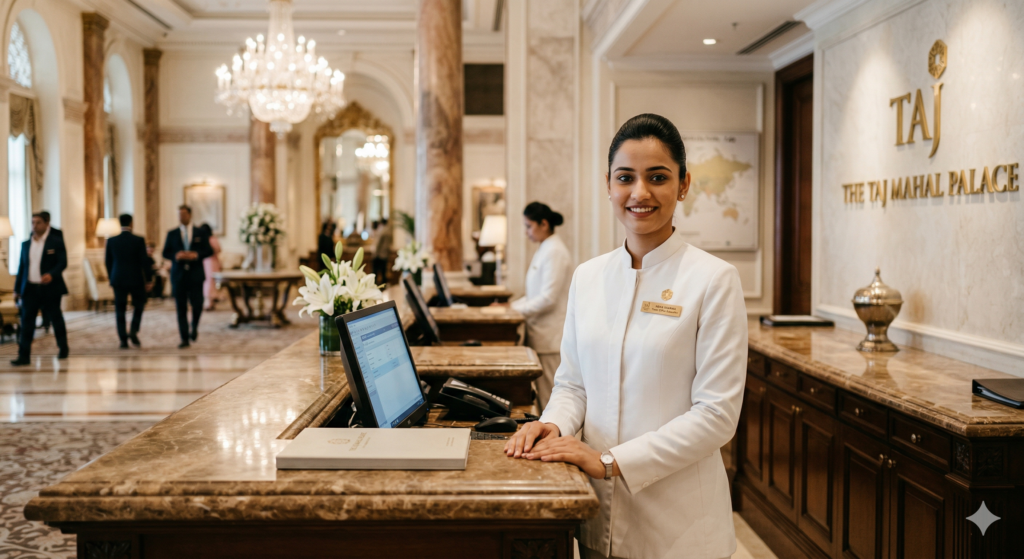
When a recruiter from the Taj or Oberoi hires an RPH graduate, they know they are getting someone who understands the “Commercial Value” of presentation. They know that a well-garnished dish can command a higher price and drive social media shares for the hotel.
Final Verdict
If you think cooking is just about flavor, any college will do. But if you want to learn how to make food that stops conversation when it hits the table, Bunts Sangha’s RPH College is where you belong.
What would you like to do next?
Would you like me to create a “Checklist of 5 Modern Plating Techniques” (like ‘The Smear’, ‘Rule of Thirds’, etc.) that you would typically learn in the first year at RPH?